


Stress is now a serious public health issue worldwide, including in Mozambique. From traffic in Maputo to families facing natural disasters, stress affects many people. In this blog, Mediplus explores why stress is rising in Mozambique and what can be done to help.
Economic pressure is a daily burden
Mozambique is facing economic challenges in both cities and rural areas. Rising food and fuel prices are straining household budgets, and many people rely on unstable jobs like street vending, fishing, or small-scale farming, which adds to their financial insecurity. This sense of economic unpredictability triggers chronic stress, as families struggle to plan for basics like education and healthcare.
Health system strains and accessibility
Mozambique’s healthcare system is under strain due to high demand, limited resources, and diseases like malaria and HIV/AIDS. Long wait times are common, especially outside big cities. Patients often face unclear referrals and poor follow-up care, which adds stress. Women, especially pregnant ones, may worry more about access to prenatal and birth care.
Environmental uncertainty
Mozambique is vulnerable to cyclones, floods, and droughts. In recent years, many families have lost crops, homes, or jobs due to extreme weather. These disasters cause sudden trauma and long-term stress. When floods or cyclones hit, people face challenges like rebuilding, moving, and finding food, all while dealing with an uncertain future.

Social dynamics and migration pressures
Families often feel stress when young people move to cities for work or school. These separations can strain relationships, and adjusting to city life can be hard. Young people also face pressure to find stable jobs, support their families, and follow traditional roles.
Health impacts of stress
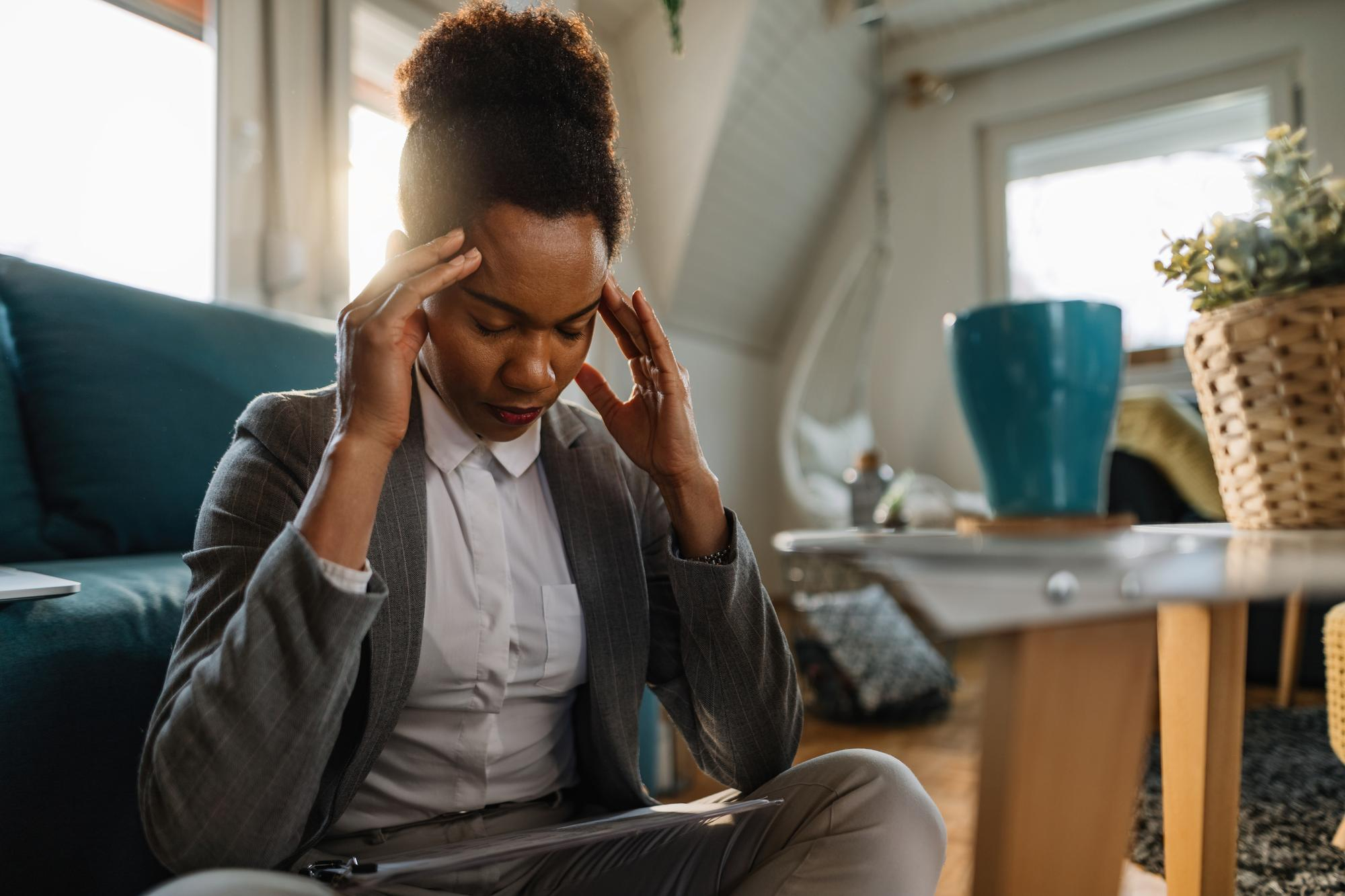
Chronic stress can cause health problems like headaches, high blood pressure, stomach issues, and trouble sleeping. It can also lead to anxiety, depression, or substance use. For pregnant women, stress can affect their health during and after pregnancy. People in rural areas often have limited access to mental health care, which makes things worse.

Coping strategies and interventions
Governments and NGOs are taking action. Mediplus provides health education, stress workshops, and community counselling on request. Mobile clinics and outreach programs help reach rural areas. Traditional support, like community gatherings, faith groups, and family networks, still play an important role, but often need stronger support from the wider system.

Conclusion
A certain amount of stress is unavoidable and even beneficial in specific situations, as it helps us react and overcome challenges. However, chronic or excessive stress can severely impact physical and mental health.
Recognising the signs of stress and adopting healthy coping strategies is essential.
These may include:
• Regular physical activity
• Relaxation techniques (such as meditation or deep breathing)
• A balanced diet
• Social support
• Taking care of mental and emotional health
• Cultivating self-love and meaningful relationships
Being passionately invested in something, a project, a person, a cause, can also contributes to a life with more meaning and less impact from stress.
Frequently Asked Questions (FAQs)
1. Is stress always bad?
No. In small doses, stress can be helpful to boost motivation and improve performance. However, when it is prolonged or too intense, it becomes harmful.
2. How can I reduce stress at work?
Setting healthy boundaries, managing time well, seeking support from colleagues and supervisors, and engaging in leisure activities can help reduce stress.
3. Can stress cause sleep problems?
Yes. Chronic stress can lead to insomnia and difficulty falling asleep, as the body remains in a state of alert.
4. What are the physical signs of stress?
These may include headaches, muscle tension, digestive issues, changes in appetite, skin problems, and constant fatigue.
5. Is stress always caused by negative events?
No. Positive events like getting married, a job promotion, or the birth of a child can also cause stress. The key lies in the balance between the demands of the situation and the resources we have to deal with it.